


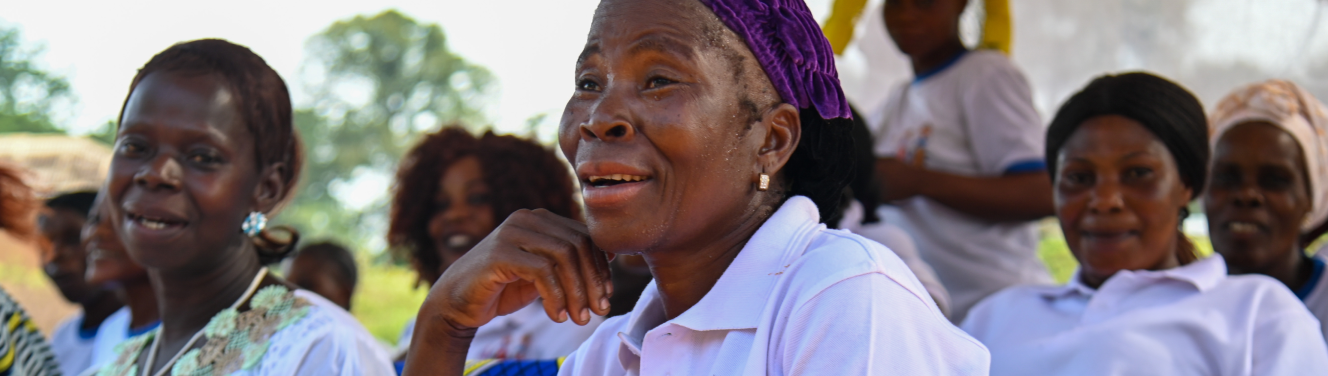
This year’s Women’s Month in South Africa was themed “Empowered Women Empower the Nation”. Inspired by this theme, ETG is working to advance women’s empowerment across our business and supply chains. By 2027, we aim to engage 600,000 smallholder farmers, with a particular focus on women, as part of our broader commitment to strengthening women’s economic participation and contributing to inclusive economic growth.
In this same spirit, ETG is working to advance women's empowerment across our business and supply chains. By 2027, we aim to engage 600,000 smallholder farmers, with a particular focus on women, as part of our broader commitment to strengthening women's economic development and contributing to inclusive economic growth.
Two focus areas are central to this ambition: expanding women's access to finance, and empowering women-led small and medium-sized enterprises. Below, we explore how ETG is putting both into practice.
Increasing Access to Microfinance
VSLAs are community-based groups of 15–30 individuals who come together to collectively save a small portion of their incomes. VSLAs not only build the financial capacity of their members but also empower women and expand their income-generating activities.
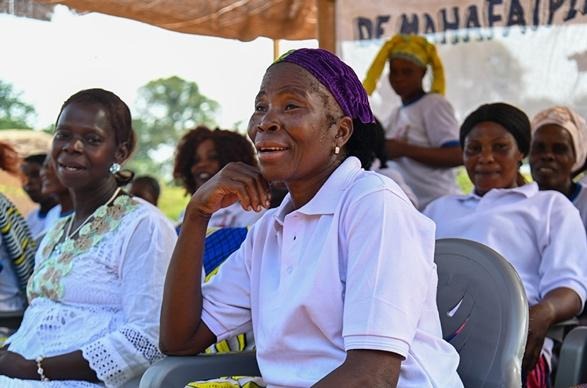
Across our Cocoa and Coffee business, VSLAs have already helped thousands of members save, build, and launch new enterprises. Over 14,000 women in 688 VSLAs have received gender-oriented extension services, training in better household decision-making, literacy and numeracy classes, and support to diversify their household incomes. VSLAs also serve as a crucial stepping stone to formal financial services, helping groups grow their savings and access loans.
To support this, we run projects that identify our most successful and mature VSLAs and link them with microfinance institutions, safely introducing them to a formal banking environment. These links allow members to open bank accounts, access larger financial opportunities, and meet their growing needs — all while remaining within the VSLA framework. Thirty VSLAs are currently being linked to banks and Côte d’Ivoire and in Ghana we are piloting e-wallets as the first step on the road to formal banking.
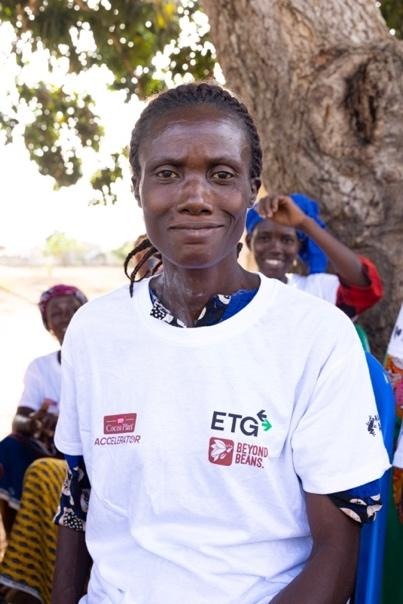
To facilitate these financial linkages, our VSLAs are being placed on digital foundations that enhance their efficiency and transparency, build financial track records, and foster trust in the financial sector. Digitizing credit histories and automating key performance indicators for reporting is improving data accuracy and strengthening the bankability of VSLAs.
Boosting Women-Led Enterprises
Despite playing a critical role in food security and economic growth, women in sub-Saharan Africa still face persistent problems such as limited access to land, finance, and business resources.
To help address these challenges, ETG and the African Development Bank (AfDB) have partnered to launch the Affirmative Finance Action for Women in Africa (AFAWA) Project, investing USD 2.2 million to strengthen women-led agribusiness in ETG's supply chains.
AFAWA aims to empower women-led small and medium-sized enterprises (WSMEs), as well as women employees within our operations and women's cooperatives, which play a critical role in supporting women's access to financing and other services in Mozambique, Tanzania, Zambia, and Zimbabwe.
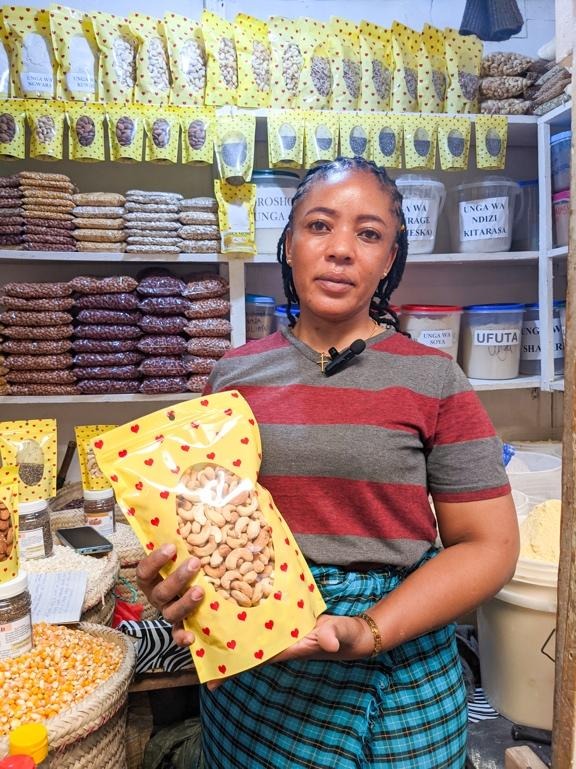
To kick-start the project, a gender diagnostic and training needs assessment was carried out to identify key challenges and opportunities for women in agriculture and lay the groundwork for tailored interventions to enhance access to finance, leadership development, and entrepreneurial growth.
The assessment found that targeted interventions are essential to accelerate women's economic empowerment, and that key priorities for the project should include expanding gender-responsive financial services, reducing bureaucratic barriers to business registration, and improving access to digital and e-commerce platforms for WSMEs.
Following on from these findings, the AFAWA intervention strategy is built around three key objectives, each designed to create lasting impact for women across our supply chains and operations. The first is entrepreneurship and skills development, which will strengthen the capacity of women entrepreneurs to run successful businesses by giving them the tools and connections they need to grow their ventures with confidence.
The second is gender awareness and employability, which aims to create a more equitable and supportive environment for women to thrive professionally by supporting women's career advancement, improving retention, and helping address gender biases in the workplace.
The third is financial services and market linkages, which will facilitate women entrepreneurs' access to end markets and help the businesses they build reach customers and scale sustainably.
These three pillars are designed to give WSMEs and our women employees, the skills, environment, and financial tools they need to build more resilient businesses, advance their careers, and maximize their impact in the agricultural economy.

